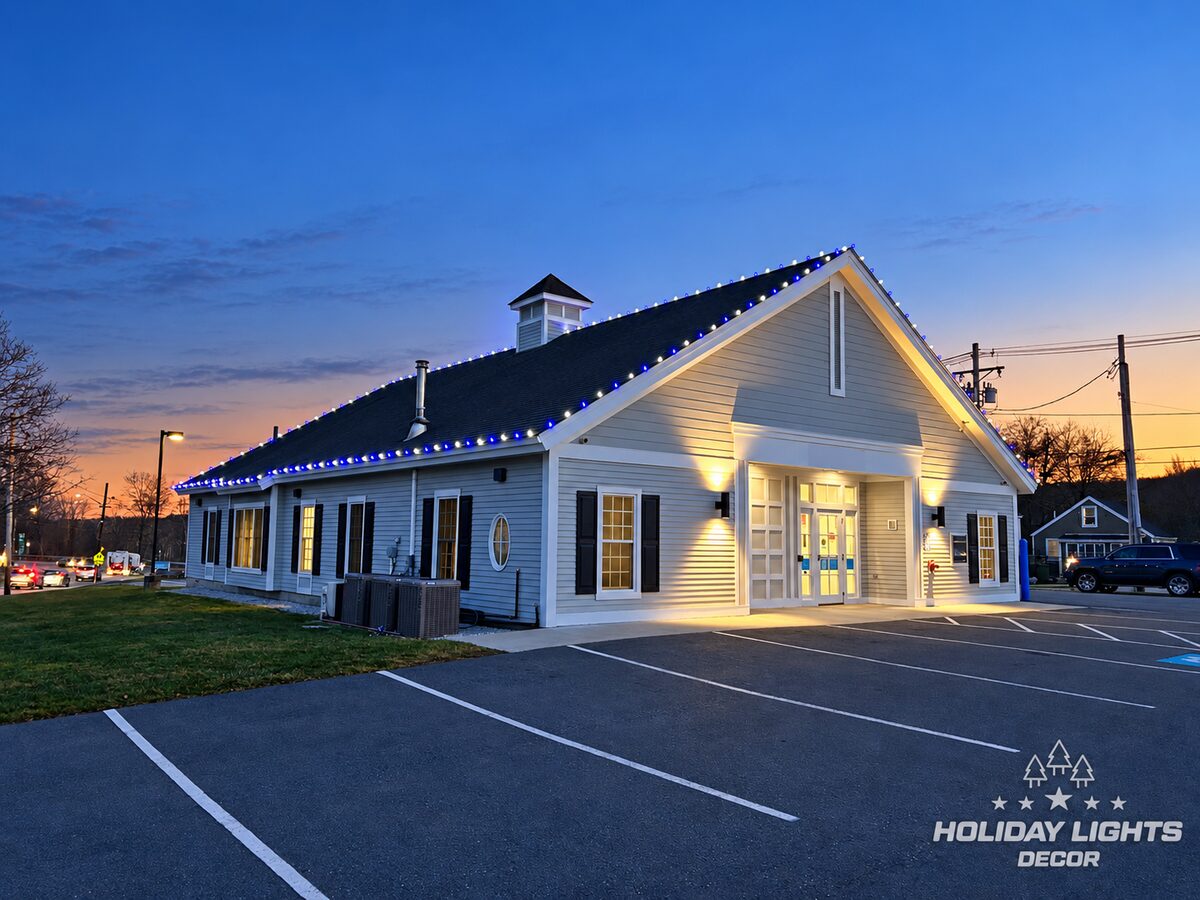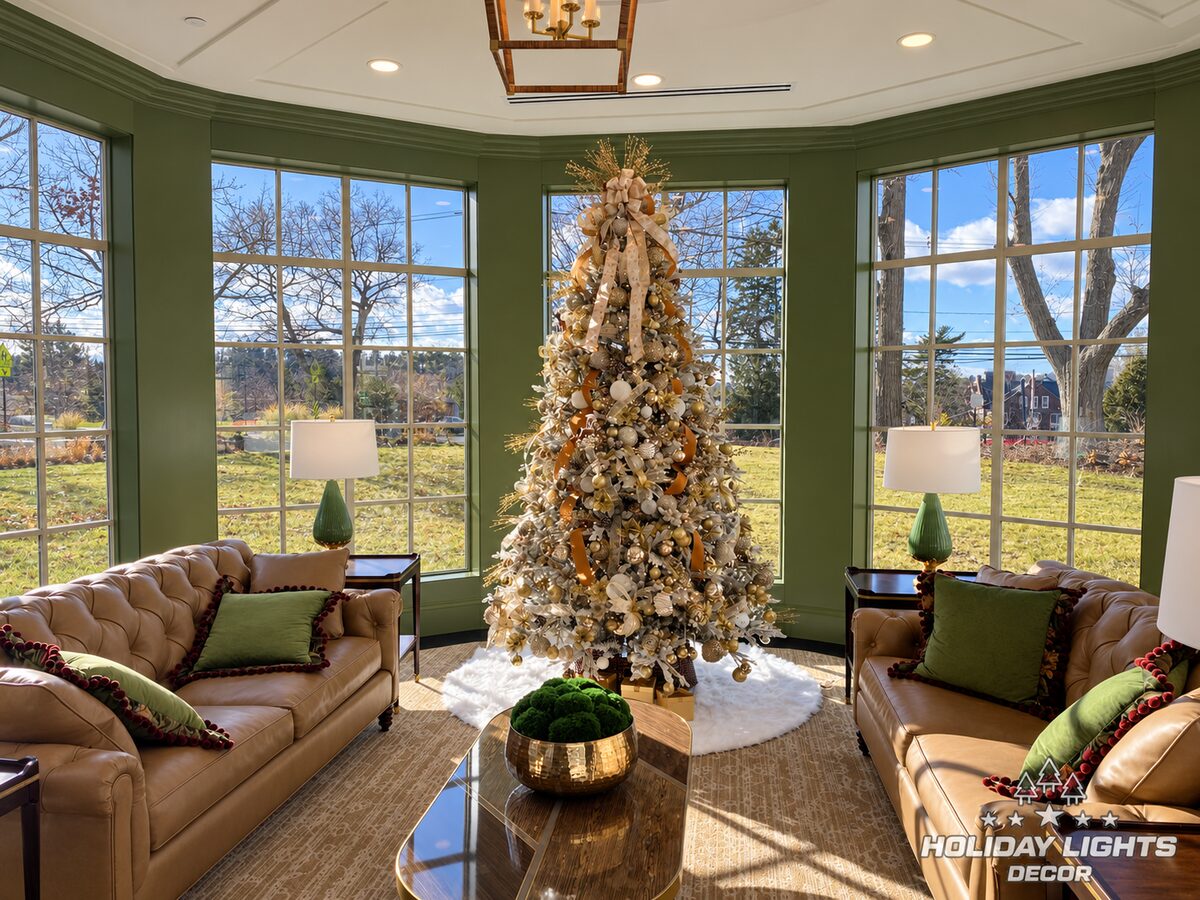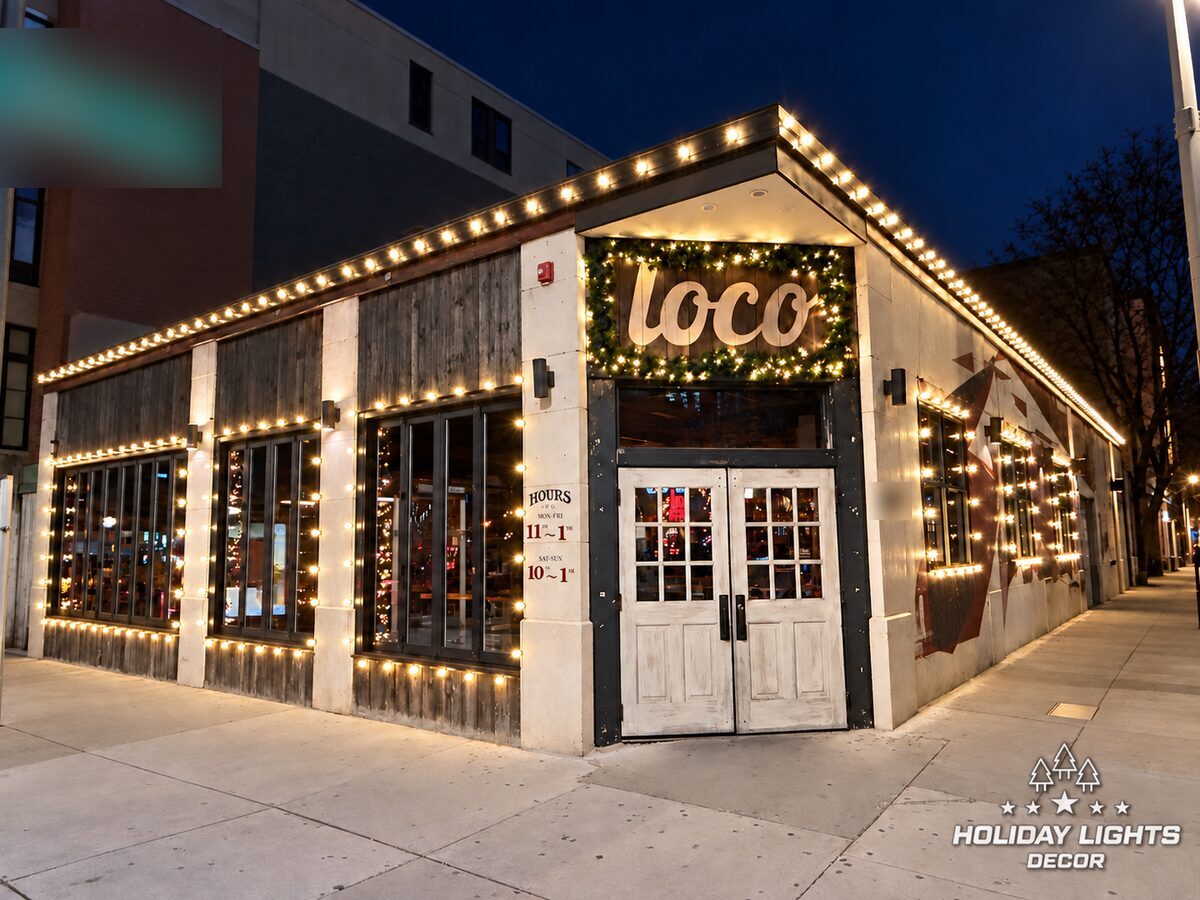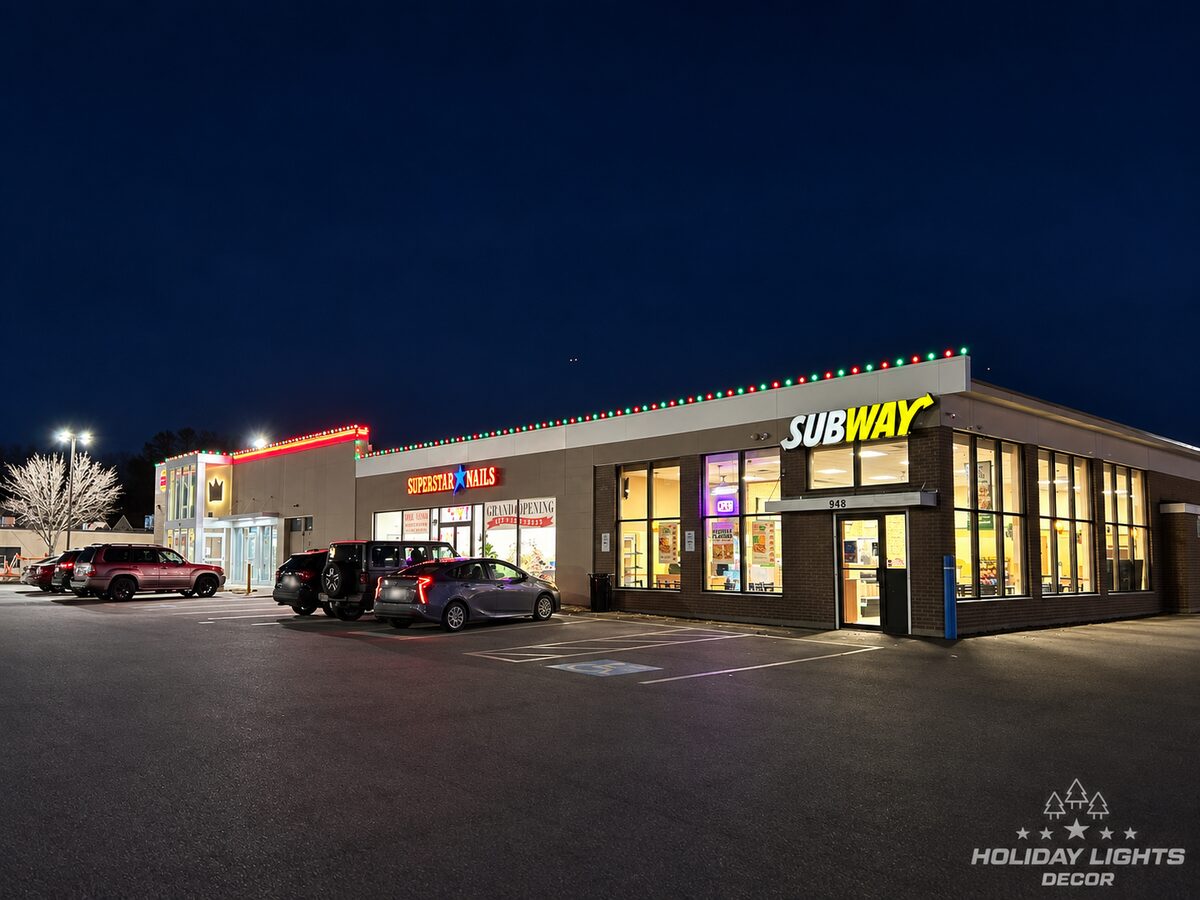
When December arrives in Massachusetts and businesses across Boston, Worcester, and Cape Cod start planning their holiday displays, many property managers experience sticker shock at commercial Christmas light pricing. A single strand of commercial-grade C9 LED bulbs can cost $150-300, while similar-looking residential versions sell for $30-50. Understanding why commercial Christmas lights expensive becomes crucial when you're budgeting for a professional display that needs to withstand New England's brutal winter conditions.
The price difference isn't arbitrary markup — it reflects fundamental differences in construction, certification, performance, and longevity. Commercial lighting must endure harsh Massachusetts weather, meet strict safety codes, and deliver consistent performance season after season. Let's break down exactly what drives these costs and why the investment often pays for itself.
Heavy-Duty Construction for Massachusetts Weather Extremes
New England weather puts holiday lighting through the ultimate stress test. From nor'easters dumping two feet of snow to ice storms that coat everything in a quarter-inch shell, Massachusetts commercial properties need lighting that won't fail when temperatures plunge below zero or winds gust over 50 mph.
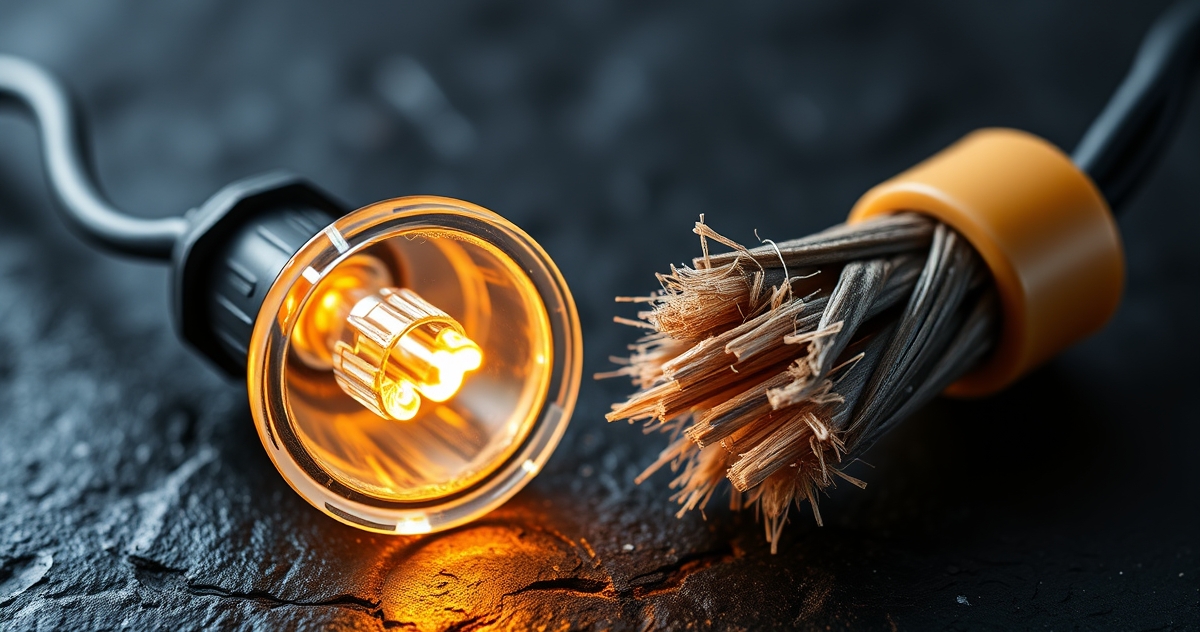
Commercial Christmas lights feature significantly thicker wire gauges — typically 18 AWG or 16 AWG compared to 22 AWG in residential lights. This heavier copper wiring carries more current safely and resists breaking under ice loads that would snap thinner residential wires. The insulation is also upgraded, using materials like TPU (thermoplastic polyurethane) that remains flexible at -20°F while resisting cracking and UV degradation.
Socket construction represents another major upgrade. Commercial sockets use reinforced polycarbonate housings with gasket seals that prevent water infiltration. When ice forms and expands around these connections — a common occurrence during Massachusetts winter thaws and freezes — the robust construction prevents the socket cracking that plagues cheaper alternatives.
The bulb-to-socket connection itself uses a twist-lock or compression system rather than the simple push-in design of residential lights. This prevents bulbs from loosening due to thermal expansion and contraction, wind vibration, or ice movement — critical when your display sits 30 feet up on a commercial building facing Boston Harbor winds.
UL Commercial Certification and Safety Compliance
Understanding why commercial Christmas lights expensive requires examining the extensive testing and certification process these products undergo. UL (Underwriters Laboratories) commercial certification involves far more rigorous standards than residential listings, driving significant costs into product development and manufacturing.
Commercial lighting must pass accelerated weathering tests simulating 10+ years of outdoor exposure, including UV bombardment equivalent to decades of Massachusetts summer sun. Temperature cycling tests subject the lights to repeated freeze-thaw cycles from -40°F to 140°F, far exceeding what most residential lights encounter.
Electrical safety testing for commercial applications includes short-circuit protection, ground fault tolerance, and flame resistance standards. These tests require specialized equipment and extensive documentation, costs that manufacturers must recoup through higher pricing. However, this certification becomes essential when installing lighting on commercial buildings where code compliance and insurance requirements demand UL commercial ratings.
Fire resistance testing particularly impacts cost. Commercial lights must self-extinguish within specific timeframes if exposed to flame, requiring special wire insulation and socket materials. While residential lights might use basic PVC insulation, commercial versions often incorporate flame-retardant compounds that cost 3-4 times more but prevent fires from spreading along light strings.
Premium LED Technology and Performance Standards
The LED chips inside commercial Christmas lights represent a substantial portion of their cost premium. While residential lights might use basic LED chips producing 15-20 lumens per watt, commercial versions employ high-efficiency chips delivering 120-150 lumens per watt with superior color consistency and longevity.
Color temperature stability becomes crucial for commercial displays where mixed warm white tones look unprofessional. Commercial LEDs undergo binning processes to ensure every bulb in a batch matches exactly — whether you're installing warm white C9 bulbs across a downtown Boston office building or creating a cohesive display for a shopping center in Springfield.
Heat management also differs dramatically. Commercial LEDs incorporate aluminum heat sinks and thermal management systems that keep junction temperatures low, extending life and preventing the gradual dimming that affects cheaper alternatives. This thermal engineering adds material costs but prevents the embarrassing situation of having sections of your commercial display noticeably dimmer than others by mid-December.
Driver electronics in commercial LEDs use higher-grade components with tighter tolerances. While residential lights might use basic rectifier circuits, commercial versions often include power factor correction, surge protection, and smooth dimming capabilities. These features prevent the flickering and premature failure common with lower-grade alternatives, particularly important when your display represents your business's holiday image.
Long-Term Cost Analysis: Why Commercial Lights Pay for Themselves
When evaluating why commercial Christmas lights expensive, the total cost of ownership often favors the premium option. A quality commercial LED string lasting 7-10 seasons costs less per year than replacing residential lights every 2-3 seasons, especially when factoring in labor costs for Massachusetts installations.
Consider a typical commercial installation requiring 2,000 feet of C9 lighting. Residential-grade lights might cost $3,000 initially but require replacement every 2-3 years due to weather damage, LED degradation, or wire failures. Over 10 years, you'll spend $9,000-12,000 on lights alone, plus installation labor for multiple replacements.
Commercial-grade alternatives might cost $8,000 initially but last 8-10 seasons with minimal maintenance. The superior construction means fewer service calls for blown fuses, failed sections, or weather damage — particularly valuable when dealing with Massachusetts winter conditions that make emergency repairs challenging and expensive.
Energy efficiency also favors commercial LEDs. Higher-quality chips and better thermal management mean commercial lights maintain their efficiency throughout their lifespan, while cheaper alternatives gradually consume more power as they age. For a large commercial display, this efficiency difference can save hundreds of dollars annually in electricity costs.
Professional installers working on our commercial projects consistently report fewer callbacks and warranty issues with premium lighting, translating to lower long-term maintenance costs and higher customer satisfaction.
Manufacturing Scale and Market Dynamics
The commercial Christmas lighting market operates on completely different economics than the residential sector. While millions of residential light sets sell through big box retailers, commercial lighting serves a specialized market of contractors, property managers, and businesses requiring specific performance standards.
Lower production volumes mean manufacturers can't achieve the same economies of scale as residential products. A factory producing 100,000 commercial-grade light strings faces much higher per-unit costs than one manufacturing 10 million residential sets for the holiday retail market.
Research and development costs also get spread across smaller volumes. Developing wire insulation that remains flexible at -30°F while resisting UV degradation requires extensive material testing and engineering. These development costs must be recouped from a much smaller customer base, driving higher unit prices.
Distribution channels add another cost layer. Commercial lighting typically moves through electrical distributors and specialty contractors rather than high-volume retail channels. These distributors provide technical support, specification assistance, and smaller-quantity sales — services that command higher margins than simple retail transactions.
Quality control standards also differ dramatically. Commercial manufacturers might inspect every tenth light string and test samples from each production batch, while residential producers rely on statistical sampling across much larger runs. This intensive quality control catches defects before they reach customers but adds significant labor costs to the manufacturing process.
Professional Installation and Service Requirements
Commercial Christmas lights expensive partly because they're designed for professional installation and servicing. The robust construction allows contractors to handle them more aggressively during installation without damage, while standardized components enable efficient field repairs and maintenance.
Professional-grade connectors use standardized specifications allowing field replacement of damaged sections without scrapping entire runs. When ice damage affects 50 feet of a 500-foot installation on a Massachusetts office building, contractors can replace just the damaged section rather than starting over — but only if the original installation used commercial-grade components with standardized interfaces.
Replacement part availability becomes crucial for commercial installations. Premium manufacturers maintain inventory of replacement bulbs, sockets, and wire sections for years after discontinuing specific products. This long-term support costs money but prevents the situation where a single failed component forces replacement of an entire commercial display.
Many commercial installations also require custom configurations — specific lengths, bulb spacing, or color combinations not available in standard residential packages. This customization capability requires flexible manufacturing processes and inventory systems that add costs but provide the exact specifications commercial projects demand.
When we work on residential projects, homeowners often ask about using commercial-grade products for their own displays. While the upfront cost is higher, the longevity and performance often justify the investment, especially for elaborate displays or challenging installation conditions.
Frequently Asked Questions
How much more do commercial Christmas lights cost compared to residential versions?
Commercial Christmas lights typically cost 3-5 times more than residential alternatives. A strand of commercial C9 LEDs might cost $150-300 versus $30-50 for residential versions. However, commercial lights last 7-10 seasons versus 2-3 for residential, making the cost per year often comparable or lower for commercial options.
Are commercial Christmas lights worth the extra cost for my Massachusetts business?
For Massachusetts businesses, commercial lights are usually worth the investment due to harsh winter weather conditions. The heavy-duty construction withstands ice, snow, and wind that commonly damage residential-grade lights. UL commercial certification also ensures code compliance for commercial properties, and the longer lifespan reduces replacement and labor costs.
Can I use commercial Christmas lights on my home?
Yes, commercial Christmas lights work excellently for residential applications, especially for elaborate displays or challenging weather exposure. Many homeowners choose commercial-grade warm white C9 bulbs for roofline installations where longevity and professional appearance justify the higher cost. The investment makes particular sense for permanent or semi-permanent installations.
What makes LED chips in commercial Christmas lights different?
Commercial LED chips deliver higher lumen output (120-150 lumens per watt versus 15-20 for residential), better color consistency through binning processes, and superior thermal management with heat sinks. They maintain brightness and color temperature throughout their 7-10 year lifespan, while residential LEDs often dim and shift color as they age.
Do commercial Christmas lights really last longer in Massachusetts weather?
Commercial lights are specifically engineered for Massachusetts winter conditions with heavy-duty wire insulation that stays flexible at -20°F, reinforced sockets that resist ice damage, and twist-lock bulb connections that won't loosen from thermal cycling. These features typically extend lifespan to 7-10 seasons versus 2-3 for residential lights in similar conditions.
Understanding why commercial Christmas lights expensive helps property managers and business owners make informed decisions about their holiday displays. While the upfront investment is substantial, the combination of superior construction, longer lifespan, and reduced maintenance often makes commercial lighting the more economical choice for Massachusetts businesses facing harsh winter conditions. If you're planning a commercial holiday display that needs to withstand New England weather while maintaining professional appearance, contact us for a free estimate on commercial-grade lighting solutions designed for your specific needs.