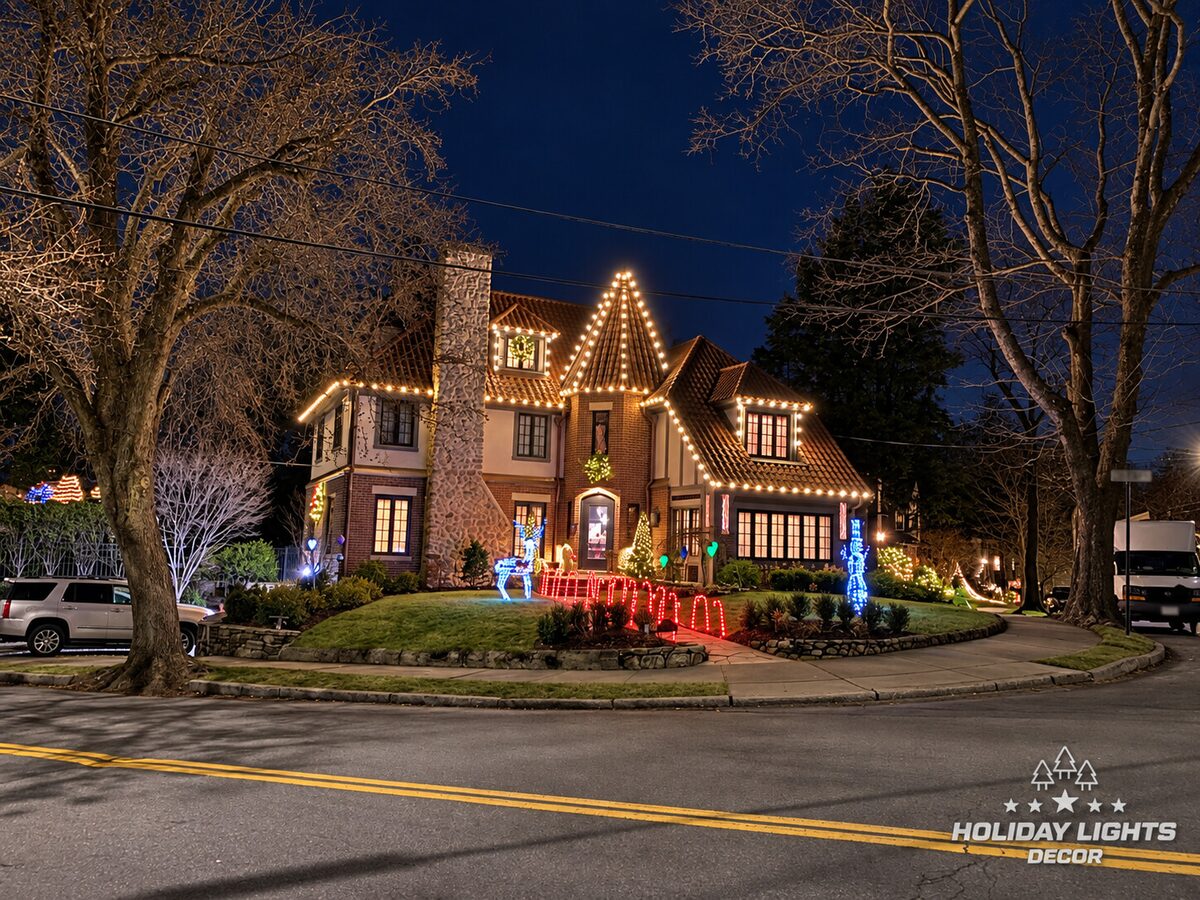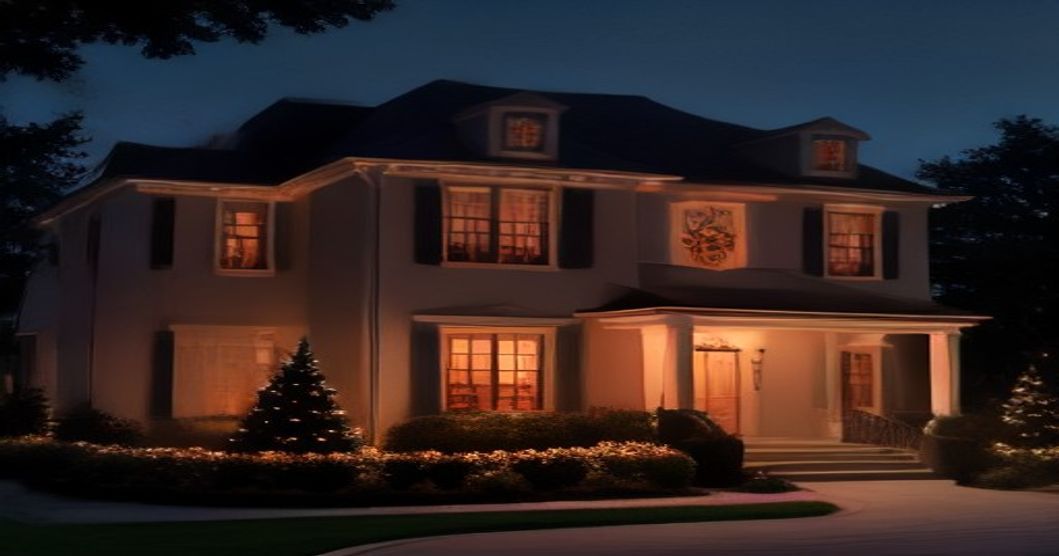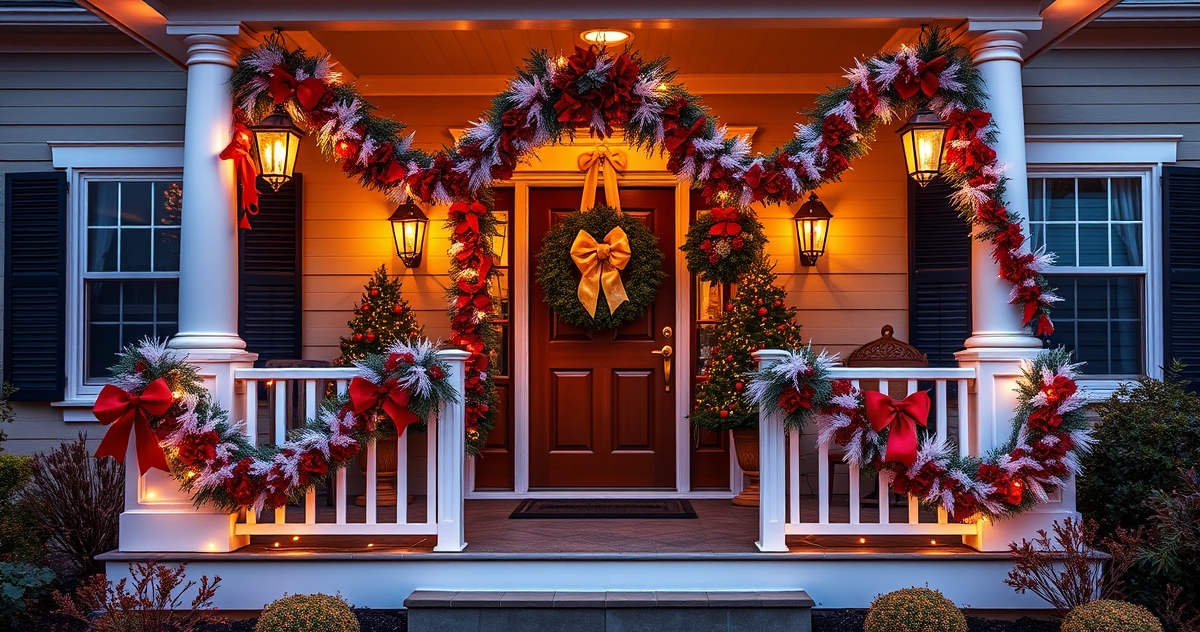
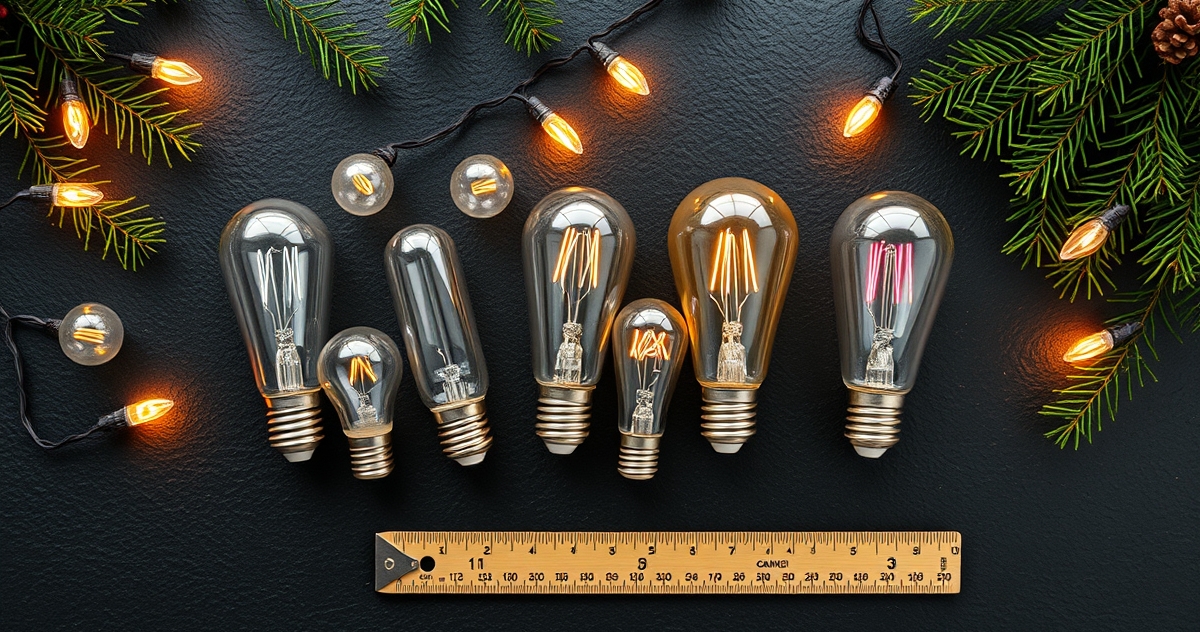
Picture a classic New England colonial home on the North Shore — its roofline glowing against the December sky, every architectural detail highlighted by perfectly sized Christmas lights. The difference between a good holiday display and a spectacular one often comes down to a single decision: C7 vs C9 christmas lights.
As Massachusetts homeowners begin planning their 2024 holiday displays, this choice becomes crucial. The wrong bulb size can make your stately colonial look underwhelming, while the right choice creates that magical curb appeal that stops traffic along Route 1A. After nearly two decades of installing professional holiday lighting across Massachusetts, from the South Shore to Cape Cod, we've learned exactly when to use each bulb type.
Understanding C7 vs C9 Christmas Lights: Size and Shape Fundamentals
The "C" in both C7 and C9 stands for "cone" — the classic Christmas bulb shape that's been illuminating American homes since the 1920s. The number represents the bulb's diameter in eighths of an inch, which creates a significant visual difference between the two options.
C7 bulbs measure 7/8 inch in diameter (about 0.875 inches), making them roughly the size of a strawberry. These medium-sized bulbs offer a classic look without overwhelming smaller architectural features. They work beautifully on Cape Cod cottages, ranch homes, and detailed trim work where proportion matters.
C9 bulbs are considerably larger at 1-1/8 inches in diameter (1.125 inches). Think of them as the size of a large walnut. This extra bulk creates the bold, dramatic look that makes C9 bulbs the professional choice for rooflines, especially on larger Massachusetts colonial homes where anything smaller would disappear against the scale of the architecture.
The socket sizes differ as well — C7 uses an E12 (candelabra) base, while C9 requires the larger E17 (intermediate) base. This means the two types aren't interchangeable, so choosing correctly from the start saves time and expense during your residential installation.
Brightness and Visibility: Which Christmas Light Shows Better
When it comes to the C7 vs C9 christmas lights brightness debate, size directly translates to illumination power. C9 bulbs typically produce 7-10 watts per bulb (for incandescent versions) compared to C7's 5-7 watts. In LED versions, this translates to noticeably brighter output that's visible from much greater distances.
For Massachusetts homeowners, this brightness difference becomes critical during our long winter nights. A string of warm white C9 LEDs along your roofline will be clearly visible from the end of a quarter-mile driveway, while C7 bulbs might fade into the background. This is why professional installers across the North Shore consistently choose C9 for primary roofline applications.
However, brighter isn't always better. C7 bulbs provide the perfect amount of illumination for tree wrapping, shrub lighting, and accent applications. Their softer glow creates layers of light that complement rather than compete with your main C9 roofline display. The key is understanding that professional holiday lighting uses both sizes strategically — C9 for impact, C7 for detail work.
Weather conditions also affect visibility. During Massachusetts snowstorms or the heavy fog that rolls in off Cape Cod Bay, the extra brightness of C9 bulbs cuts through atmospheric conditions better than smaller alternatives. This reliability factor makes them the preferred choice for commercial applications where consistent visibility is essential.
Best Applications: Where to Use C7 vs C9 Christmas Lights
Professional installers follow specific guidelines when choosing between C7 vs C9 christmas lights, based on the application and the scale of the architecture. These aren't arbitrary preferences — they're proven strategies that create the most visually appealing results.
C9 Christmas Lights Excel For:
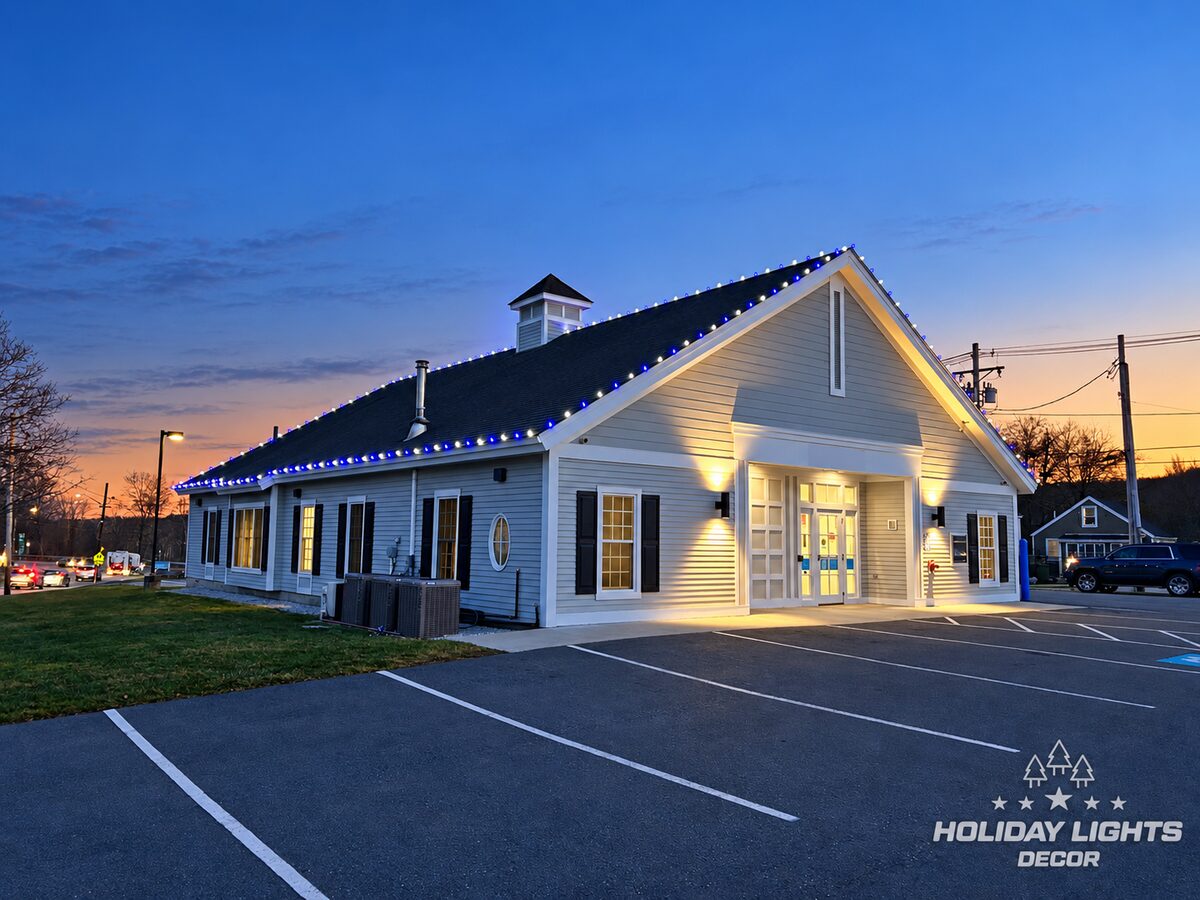
- Roofline outlining: The classic application where C9 bulbs shine brightest. Their size matches the scale of most home rooflines, creating clean, bold lines that define your home's architecture against the winter sky.
- Large colonial homes: Massachusetts is famous for its colonial architecture, and these substantial homes require substantial lighting. C9 bulbs have the presence to complement rather than be dwarfed by impressive facades.
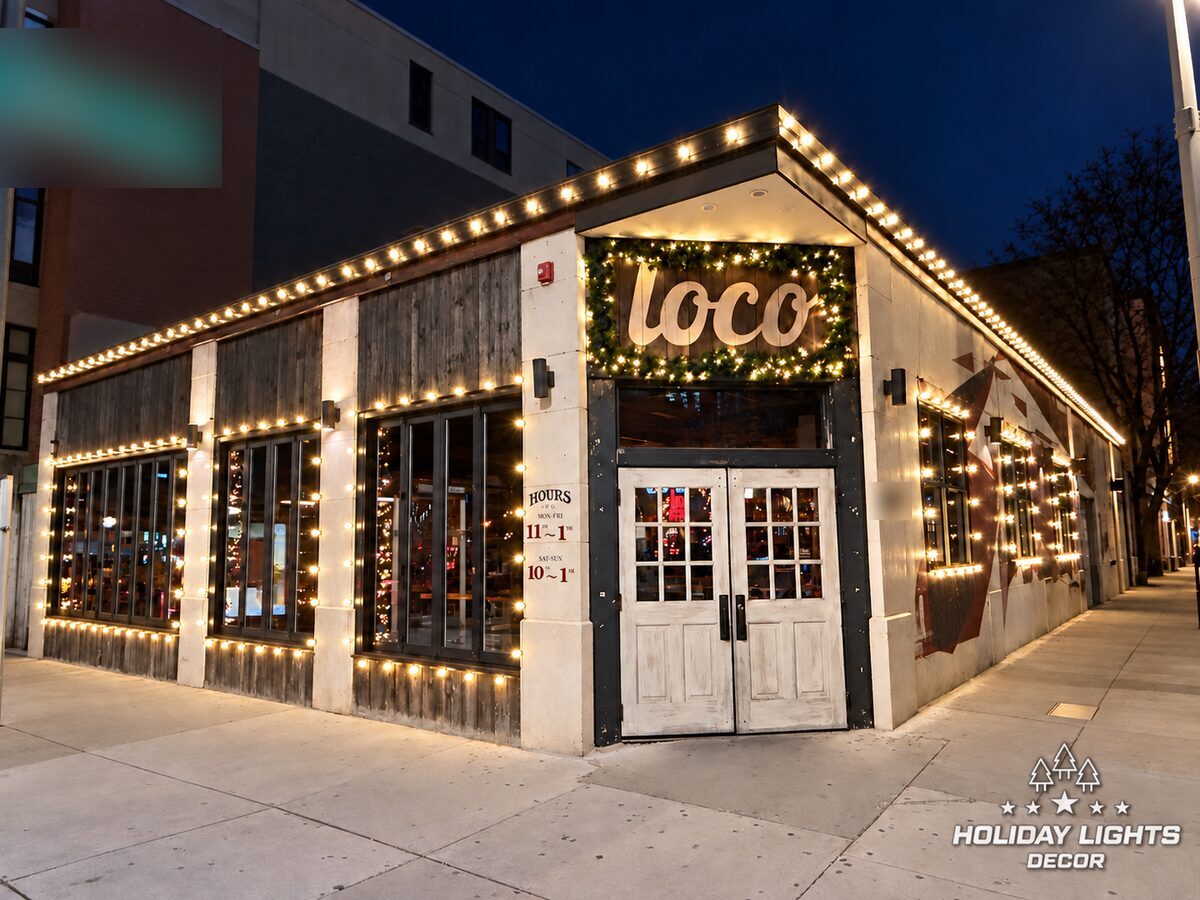
- Commercial buildings: Retail stores, restaurants, and office buildings need lighting that's visible from parking lots and busy streets. C9 bulbs deliver the necessary impact.
- Municipal applications: Town centers, gazebos, and public spaces benefit from C9's high-visibility characteristics.
C7 Christmas Lights Work Best For:
- Tree wrapping: The smaller profile of C7 bulbs allows for tighter spacing around branches without overwhelming the natural form of the tree.
- Shrub and bush lighting: Foundation plantings look best with proportionally sized lighting. C7 bulbs illuminate without creating hot spots.
- Window trim and detailed work: Architectural details like shutters, door frames, and decorative molding benefit from C7's refined scale.
- Indoor applications: Mantels, staircases, and indoor trees work better with the softer presence of C7 bulbs.
The most impressive Massachusetts holiday displays combine both sizes strategically. A typical professional installation might feature multicolor C9 bulbs outlining the main roofline, with warm white C7 bulbs wrapping the front yard maples and illuminating foundation shrubs.
Energy Consumption: LED vs Incandescent in C7 and C9
The energy discussion around C7 vs C9 christmas lights has been revolutionized by LED technology. Traditional incandescent bulbs showed dramatic differences in power consumption — a string of 25 C9 incandescents could draw 175-250 watts, while C7 incandescents used 125-175 watts for the same count.
LED technology levels the playing field significantly. Modern C9 LED bulbs typically consume just 0.96 watts per bulb, while C7 LEDs use about 0.96 watts as well. This means a 25-bulb string of either size draws only about 24 watts — less than a single old-fashioned incandescent C9 bulb.
For Massachusetts homeowners running extensive displays throughout December, January, and February, this efficiency translates to substantial savings. A typical North Shore colonial home with 300 C9 LED bulbs running six hours nightly for two months costs approximately $15-20 in electricity, compared to $120-180 for the same display using incandescent bulbs.
The longevity factor also favors LEDs dramatically. Quality C9 and C7 LED bulbs can last 50,000+ hours compared to 1,000-3,000 hours for incandescent versions. In Massachusetts's harsh winter climate — with temperature swings from 50°F to -10°F — LED durability becomes crucial for maintaining consistent displays throughout the season.
Professional Installation Considerations for Massachusetts Homes
Climate plays a major role in the C7 vs C9 christmas lights decision for Massachusetts installations. Our coastal location brings salt air that can accelerate corrosion, while inland areas experience temperature extremes that stress electrical connections. Professional installers account for these factors when recommending bulb types.
C9 bulbs, with their larger sockets and more robust construction, generally handle weather stress better than C7 alternatives. The larger connection point provides better moisture resistance, while the increased thermal mass helps manage temperature cycling. This is why commercial installations across Massachusetts — from Boston storefronts to Cape Cod restaurants — predominantly use C9 bulbs.
However, the installation process differs between the two sizes. C9 strings are heavier and require more substantial mounting hardware. Professional installers use commercial-grade clips rated for the additional weight, especially important when dealing with South Shore wind conditions or ice loading from winter storms.
Spacing also varies between C7 and C9 installations. C9 bulbs typically space 12 inches apart along rooflines for optimal coverage, while C7 bulbs work better at 8-6 inch spacing for tree wrapping applications. These technical details make professional installation worthwhile — ensuring your chosen bulb type delivers maximum impact while withstanding New England weather.
Cost Analysis: C7 vs C9 Christmas Lights Investment
The initial investment difference between C7 vs C9 christmas lights is relatively modest, but the long-term value equation varies significantly. Quality C9 LED strings typically cost 10-15% more than comparable C7 versions, but this premium pays dividends in visibility and impact.
For a typical Massachusetts colonial home requiring 200-300 bulbs for full roofline coverage, the cost difference amounts to $30-50 for LED versions. However, the visual impact difference far exceeds this small premium. Real estate professionals across the North Shore consistently report that homes with well-designed C9 roofline lighting show better during December and January showings.
Professional installation costs remain similar regardless of bulb choice, since the labor involved in safe roofline work doesn't change. However, C9 installations often require fewer total bulbs to achieve the same visual coverage, potentially offsetting the higher per-bulb cost. A roofline that might need 300 C7 bulbs for adequate coverage could achieve better results with 250 C9 bulbs.
Maintenance costs favor LED versions of both bulb types, but C9 LEDs show particular durability advantages. Their larger construction seems to handle moisture infiltration and thermal cycling better, leading to fewer mid-season failures. Professional installers report significantly lower callback rates for C9 LED installations compared to any incandescent alternative.
Making the Right Choice for Your Massachusetts Home
The C7 vs C9 christmas lights decision ultimately depends on your specific application and aesthetic goals. Massachusetts homeowners get the best results by matching bulb size to architectural scale and intended use.
For most situations, C9 bulbs provide superior value for primary applications like roofline outlining. Their increased visibility, weather resistance, and dramatic impact justify the modest cost premium. However, the most sophisticated displays incorporate both sizes — C9 for main features and C7 for accent lighting.
Consider your home's architecture, the viewing distance from the street, and your neighbors' displays when making this choice. A modest ranch home might be overwhelmed by C9 bulbs, while a large colonial could disappear behind C7 alternatives.
Professional installation ensures you get maximum value from whichever choice you make. Experienced installers understand sight lines, weather exposure, and electrical requirements that affect long-term performance. They can also help you combine different bulb sizes strategically for the most impressive overall result.
Frequently Asked Questions
Can I mix C7 and C9 Christmas lights on the same house?
Absolutely! Professional installers regularly combine C7 and C9 christmas lights for layered lighting effects. The key is using them strategically — C9 bulbs for primary features like rooflines, and C7 bulbs for accent work like tree wrapping or shrub lighting. This creates visual depth and prevents the display from looking flat or one-dimensional. Just ensure both sizes use the same color temperature (warm white or cool white) for a cohesive look.
Do C9 bulbs last longer than C7 bulbs in Massachusetts weather?
LED versions of both C7 and C9 bulbs offer similar lifespans (50,000+ hours), but C9 bulbs often perform better in harsh Massachusetts weather conditions. Their larger construction and more robust socket connections provide better moisture resistance and handle temperature cycling more effectively. This translates to fewer mid-season failures, especially during the freeze-thaw cycles common along the North Shore and South Shore.
Which bulb type is better for Cape Cod cottage-style homes?
Cape Cod cottages typically look best with C7 christmas lights due to their more modest architectural scale. The smaller profile of C7 bulbs complements the cozy, intimate character of these homes without overwhelming their classic proportions. However, larger Cape Cod homes or those set far back from the street might benefit from C9 bulbs for better visibility. Consider your specific home's size and street visibility when making this choice.
Are C9 bulbs worth the extra cost for residential use?
For most Massachusetts residential applications, yes. The 10-15% cost premium for C9 bulbs over C7 alternatives pays for itself in superior visibility and impact. C9 bulbs are particularly worthwhile for roofline applications where they'll be your display's primary feature. However, C7 bulbs offer better value for secondary applications like tree wrapping or detailed accent work. The best approach is often combining both sizes strategically.
How many C9 vs C7 bulbs do I need for my roofline?
C9 bulbs typically space 12 inches apart for optimal roofline coverage, while C7 bulbs work best at 8-6 inch spacing. This means you'll need fewer C9 bulbs to cover the same linear footage. For a typical 100-foot roofline perimeter, you'd need approximately 100 C9 bulbs versus 150 C7 bulbs. However, the exact count depends on your home's architecture and desired lighting density. Professional measurement ensures you get accurate counts and avoid over-purchasing.
Ready to transform your Massachusetts home with professional-grade holiday lighting? Our experienced team helps homeowners across the North Shore, South Shore, and greater Boston area choose between C7 vs C9 christmas lights based on their specific needs and architecture. We handle everything from design consultation to installation and seasonal storage. Contact us today for your free estimate and discover why so many Massachusetts families trust Holiday Lights Decor for their holiday decorating needs.