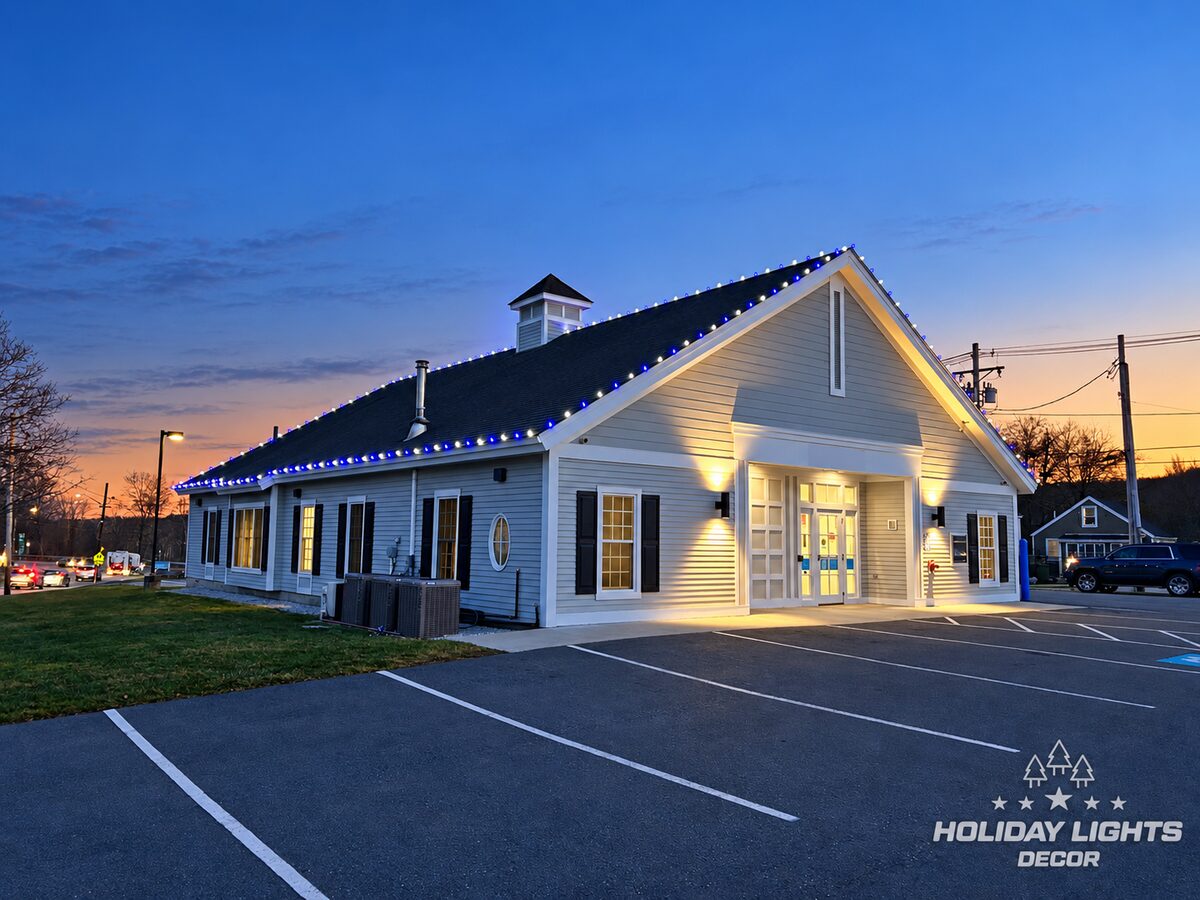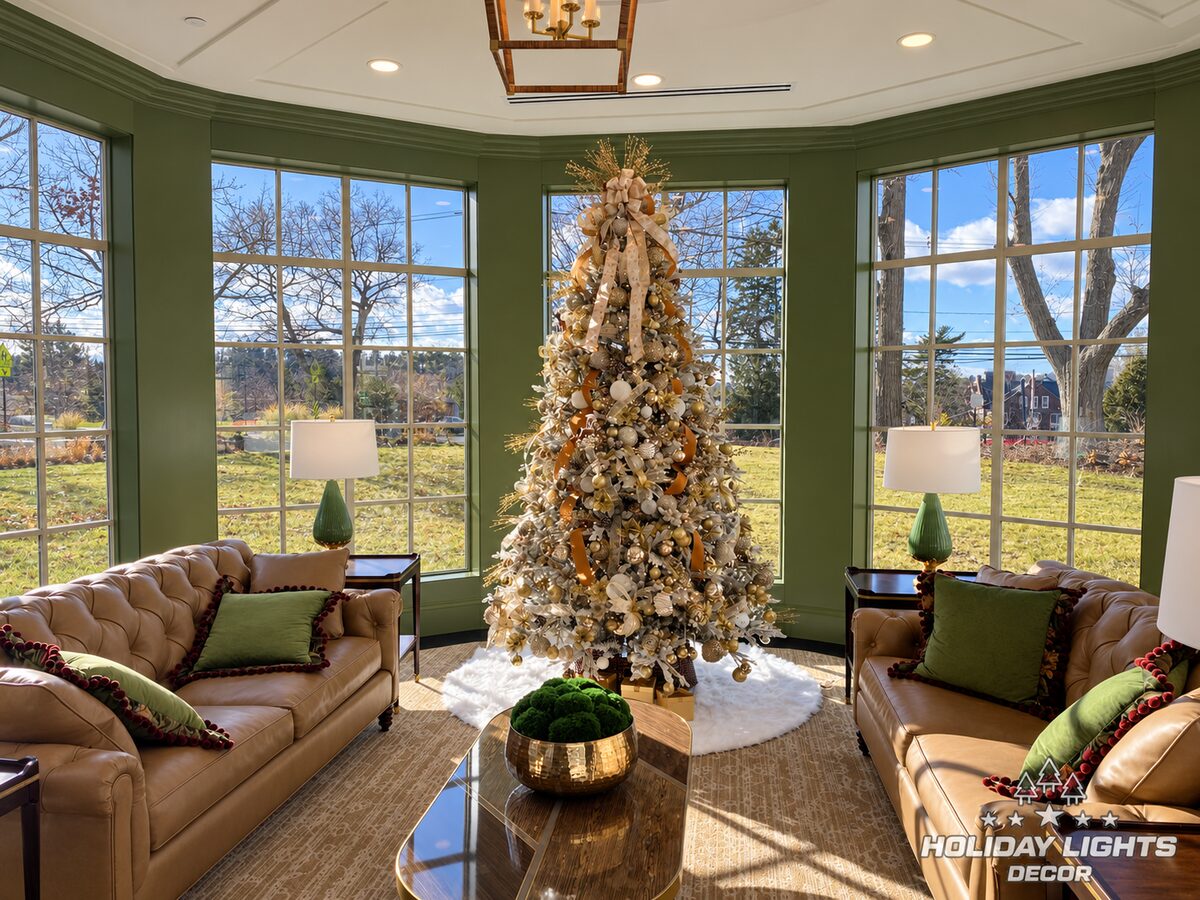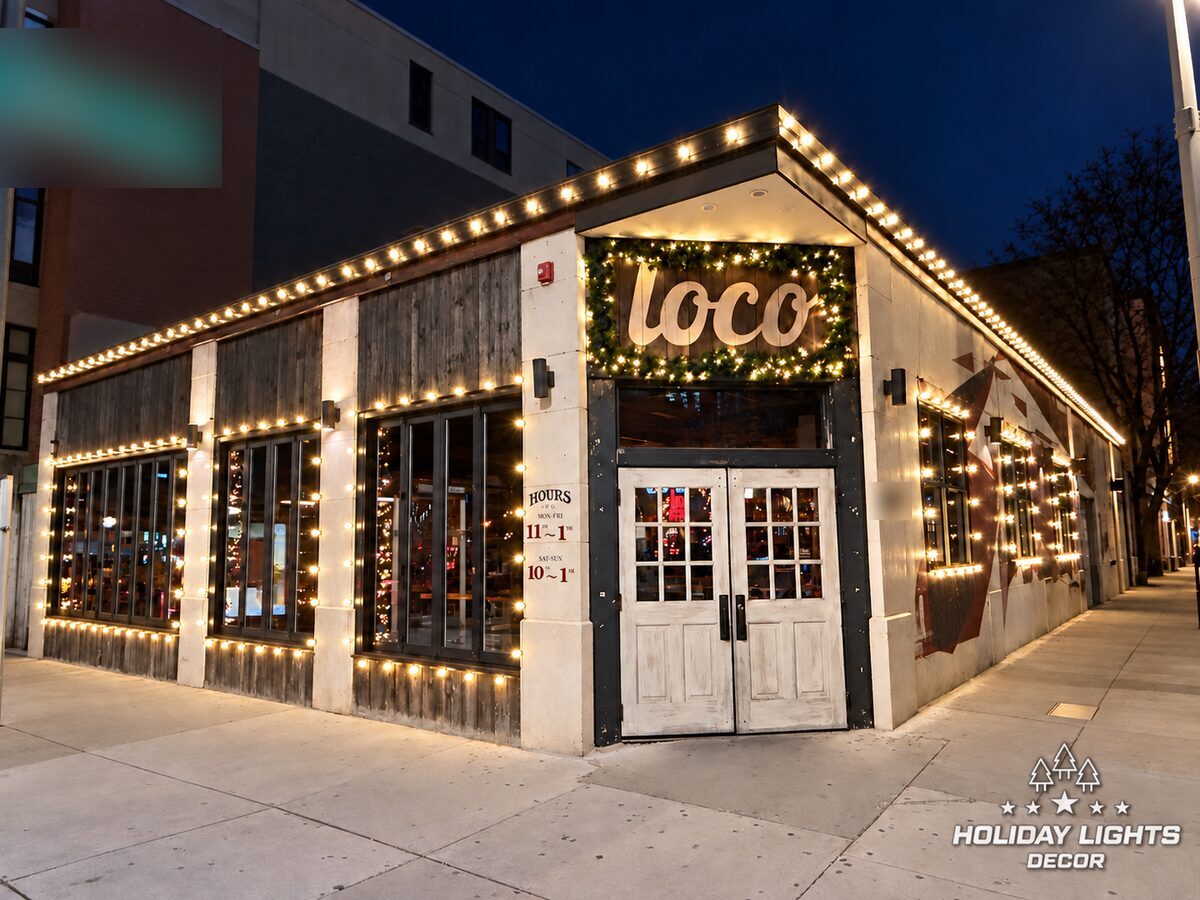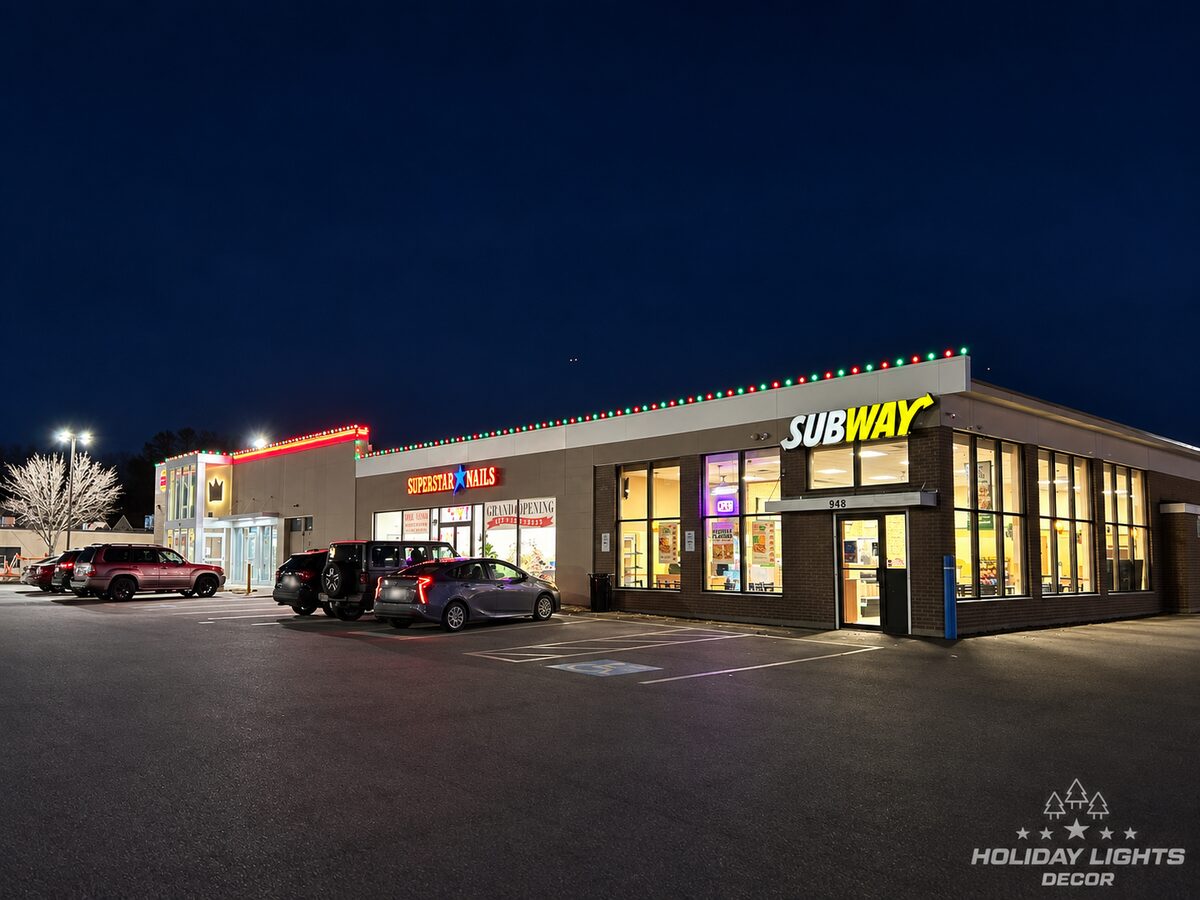
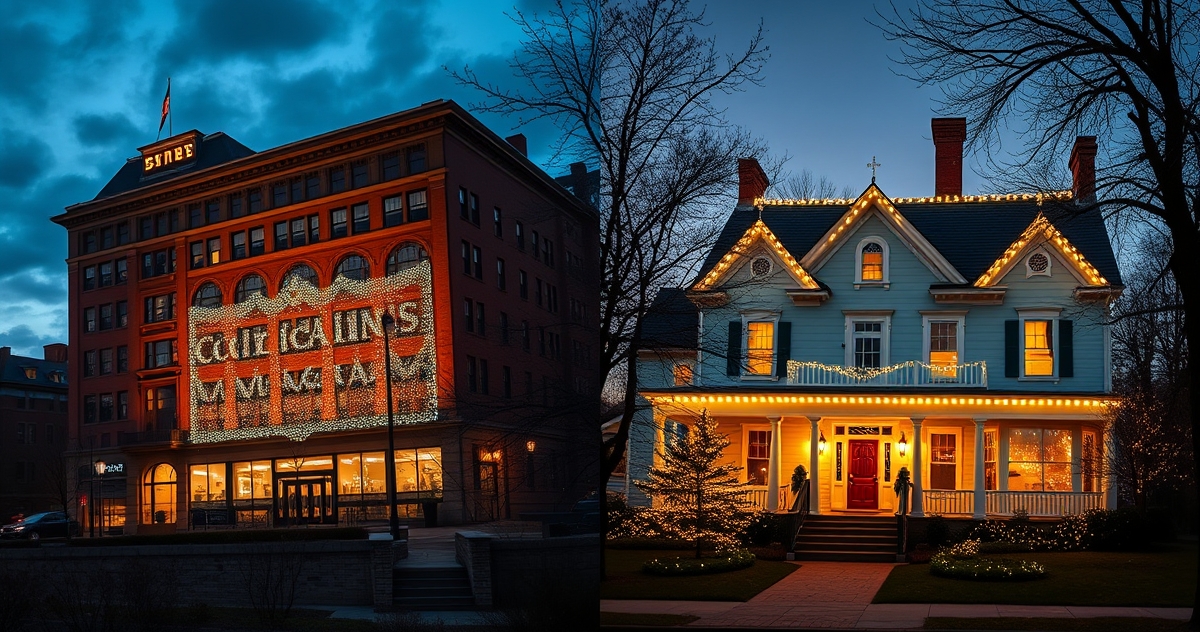
Walking through Boston's Back Bay on a December evening, you'll notice something striking: the storefronts and office buildings seem to glow with an intensity that makes residential displays look almost dim by comparison. This isn't your imagination — there's a significant difference between commercial and residential Christmas lights, and understanding these distinctions can transform how you approach your holiday lighting project in Massachusetts.
The gap between commercial-grade and residential Christmas lights extends far beyond price point. From the copper wire thickness to the LED chip quality, every component is engineered for different demands. Whether you're planning a cozy display for your Newton colonial or outfitting a Seaport district office complex, choosing the wrong type can lead to disappointing results and costly replacements.
Wire Gauge: The Foundation of Durability
The most critical difference between commercial and residential Christmas lights lies in the wire gauge. Commercial Christmas lights typically use 18 AWG (American Wire Gauge) copper wire, while residential versions rely on 22 AWG wire. This four-gauge difference might seem minor, but it's transformative for performance.
Thicker 18 AWG wire in commercial lights carries more electrical current safely and resists the voltage drop that causes dimming over long runs. When you're wrapping warm white mini lights around the mature oaks lining Commonwealth Avenue, that thicker wire ensures consistent brightness from the first bulb to the last, even on 100-foot commercial strings.
The thinner 22 AWG wire in residential lights works perfectly for shorter runs — typically 25 to 50 feet — making them ideal for wrapping the boxwoods around your front entrance or outlining a residential roofline. However, push these lights beyond their intended application, and you'll notice dimming, flickering, and premature failure.
Massachusetts winters are particularly harsh on electrical connections. The freeze-thaw cycles from November through March stress wire connections, and the thicker commercial wire maintains better conductivity even when temperatures drop below 20°F during those brutal January cold snaps.
Brightness and Lumen Output Differences
Commercial Christmas lights don't just look brighter — they actually are brighter, measured in lumens per watt. A commercial-grade cool white C9 LED bulb typically produces 15-20 lumens, while its residential counterpart might only generate 8-12 lumens. This difference between commercial and residential Christmas lights becomes dramatic when you're lighting large-scale displays.
For residential applications around Greater Boston, this difference works in your favor. Commercial-grade warm white C9 bulbs along your roofline create that premium glow that makes neighbors pause during their evening walks through Newton's tree-lined streets. The extra brightness cuts through Massachusetts' frequent winter fog and ensures your display remains visible even when snow accumulates on the bulbs.
The LED chips in commercial lights are also binned more precisely for color consistency. While residential lights might show slight color variations from bulb to bulb — one warm white slightly more yellow, another more orange — commercial lights maintain uniform color temperature across the entire display. This consistency is why professional installations look cohesive and polished.
Restaurant patios and retail storefronts in the Seaport district often choose commercial-grade lighting not just for durability, but because the increased lumen output creates ambiance that draws customers. The same principle applies to residential applications: brighter lights create more dramatic curb appeal and photograph better for holiday cards and social media.
Weatherproofing: IP Ratings and Massachusetts Weather
Massachusetts weather tests every outdoor electrical component, and the difference between commercial and residential Christmas lights shows most clearly in weatherproofing standards. Commercial lights typically carry IP65 ratings, meaning they're completely dust-tight and protected against water jets from any direction. Residential lights often meet IP44 standards — protected against solid objects larger than 1mm and water splashing.
This rating difference matters tremendously during our notorious nor'easters. When December storms bring driving rain followed by freezing temperatures, IP65-rated commercial lights continue operating while lesser-protected residential lights may fail. The sealed connections and gaskets in commercial lights prevent moisture infiltration that leads to corrosion and short circuits.
Commercial lights also feature UV-stabilized wire insulation and housings. After exposure to Massachusetts' intense summer sun during storage and early installation season, residential plastic components often become brittle. Commercial-grade materials maintain flexibility and strength through multiple seasons, making them worthwhile investments for properties planning multi-year installations.
Salt air along the South Shore and Cape Cod presents additional challenges. Residential lights exposed to ocean moisture often show corrosion on connections and sockets within a single season. Commercial-grade materials resist salt corrosion, making them essential for waterfront properties from Scituate to Martha's Vineyard.
Cost Analysis: When Commercial Makes Sense
Commercial Christmas lights typically cost 40-60% more than residential alternatives, but this price difference reflects genuine value in appropriate applications. For residential installations, the question isn't always whether commercial lights are better — they objectively are — but whether the benefits justify the investment.
Consider a typical Newton home with 200 feet of roofline. Residential cool white C9 LED strings might cost $180 total, while commercial-grade equivalents run $280. However, if the commercial lights last three seasons instead of two, and provide brighter, more consistent illumination, the cost per year actually favors the commercial option.
For commercial properties, the calculation becomes clearer. A Back Bay restaurant investing in patio lighting operates the display 60+ nights per season, often in harsh conditions. Commercial lights' superior durability and consistent performance directly impact customer experience and reduce maintenance costs.
Labor costs also factor into the equation. Professional installers charge similar rates whether installing residential or commercial lights, but commercial lights require less frequent replacement and troubleshooting. Over multiple seasons, this translates to lower total ownership costs for property managers.
Appropriate Applications in Massachusetts
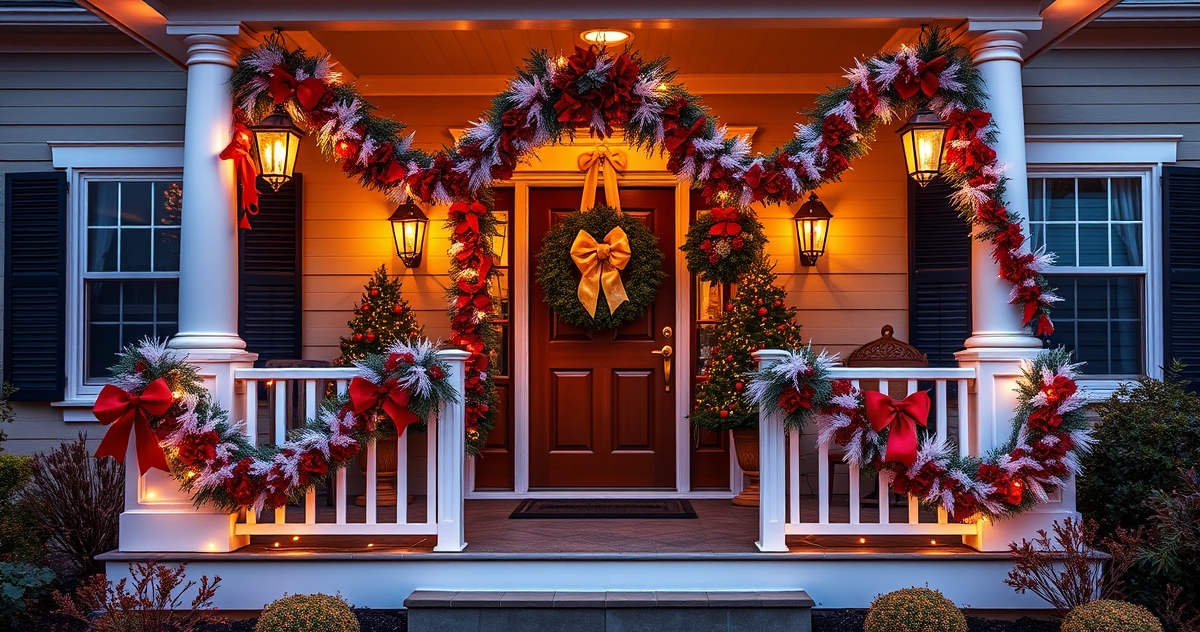
Understanding the difference between commercial and residential Christmas lights helps determine appropriate applications across Massachusetts' diverse property types. Colonial homes throughout MetroWest typically benefit from residential lights for accent lighting — wrapping foundation plantings with mini lights or adding garlands with integrated LEDs to front porches.
However, even residential properties sometimes warrant commercial-grade solutions. Historic homes in Beacon Hill with extensive rooflines exceeding 300 feet need commercial lights' voltage stability. Waterfront homes on the Cape or North Shore should consider commercial weatherproofing for longevity against salt air.
For our commercial clients, the choice is straightforward. Office buildings, retail centers, restaurants, and hotels require commercial-grade reliability and brightness. A malfunctioning light strand on a business facade isn't just an aesthetic issue — it reflects on the business's attention to detail and professionalism.
Municipal applications always call for commercial lights. Town squares, municipal buildings, and public tree lighting must withstand heavy use, weather extremes, and operate reliably throughout the season. The liability implications alone make commercial-grade requirements non-negotiable.
Professional Installation Considerations
Professional installers recognize that choosing between commercial and residential lights affects installation techniques and expectations. Commercial lights' heavier gauge wire requires more substantial mounting hardware and secure connections, but rewards installers with consistent performance and fewer callback visits.
The difference between commercial and residential Christmas lights also impacts design possibilities. Commercial lights' superior brightness allows for more ambitious displays — longer runs, higher mounting points, and more dramatic effects. When designing displays for expansive properties or commercial facades, commercial lights provide the output needed for proper scale and visual impact.
Residential installations can achieve beautiful results with proper planning and realistic expectations. Our team regularly creates stunning displays using residential lights for intimate spaces, detailed tree wrapping, and accent lighting where commercial-grade performance isn't necessary.
The key lies in matching light specifications to intended applications. A residential installation might combine both types: commercial C9 bulbs for the main roofline statement, with residential mini lights for detailed shrub work and accent features.
Making the Right Choice for Your Massachusetts Property
Evaluating the difference between commercial and residential Christmas lights for your specific situation requires considering exposure, display size, longevity expectations, and budget. Massachusetts' challenging weather conditions often tip the scales toward commercial lights, even for residential applications.
Properties planning elaborate displays, waterfront locations, or multi-year installations typically benefit from commercial-grade investment. The consistent performance, superior brightness, and weatherproof construction provide peace of mind during our unpredictable winter weather.
Smaller residential displays focusing on intimate spaces and accent lighting can achieve excellent results with quality residential lights properly installed and maintained. The key is working with experienced installers who understand each product's capabilities and limitations.
Professional consultation helps navigate these decisions. Our team assesses your property, discusses your vision, and recommends appropriate solutions based on technical requirements rather than sales targets. Every Massachusetts property is unique, and lighting solutions should reflect those individual characteristics and challenges.
Frequently Asked Questions
Are commercial Christmas lights always better than residential lights?
Commercial lights offer superior durability, brightness, and weatherproofing, making them objectively higher quality. However, "better" depends on your application. For small-scale residential displays with moderate exposure, quality residential lights provide excellent results at lower cost. Commercial lights excel in challenging conditions, large displays, and multi-year installations where performance consistency matters most.
Can I mix commercial and residential Christmas lights in one display?
Yes, mixing light types is common and effective when done strategically. Many Massachusetts installations use commercial C9 bulbs for roofline statements requiring brightness and durability, while incorporating residential mini lights for detailed accent work on shrubs and trees. The key is ensuring voltage compatibility and using appropriate controllers for each light type.
How much more do commercial Christmas lights cost in Massachusetts?
Commercial Christmas lights typically cost 40-60% more than residential alternatives upfront. However, their longer lifespan (often 3-5 seasons versus 1-2 for residential) and reduced maintenance costs can make them more economical long-term. For a typical Massachusetts home, the difference might be $100-200 total, but commercial lights' superior performance often justifies the investment.
Do commercial Christmas lights use more electricity than residential lights?
Modern commercial LED Christmas lights are highly efficient and often use comparable electricity to residential LEDs despite higher brightness output. The thicker wire in commercial lights actually reduces power loss over long runs, potentially making them more efficient in large installations. Both commercial and residential LED options use 80-90% less electricity than traditional incandescent bulbs.
Understanding the difference between commercial and residential Christmas lights empowers you to make informed decisions for your Massachusetts property. Whether you're planning an intimate residential display or an impressive commercial installation, the right lighting choice creates lasting holiday memories while withstanding our challenging New England winters.
Ready to explore professional Christmas lighting options for your Massachusetts property? Our experienced team helps navigate these technical decisions and creates stunning displays tailored to your specific needs and budget. Contact us for a free consultation and discover how the right lighting choice transforms your holiday vision into reality.